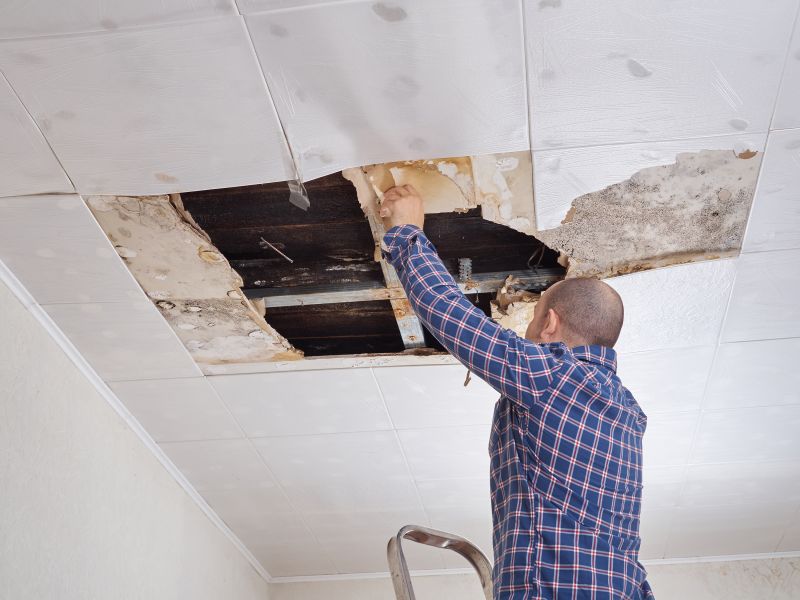
Ceiling Crack Repair in Alpharetta, GA
Ceiling crack repair services address common issues such as hairline cracks, larger fissures, or visible damage caused by settling, moisture, or structural shifts. These repairs typically involve assessing the extent of the damage, preparing the area, and carefully patching or sealing cracks to restore the ceiling’s appearance and integrity. Projects can range from small cosmetic fixes to more extensive repairs in areas where cracks may indicate underlying structural concerns, ensuring the ceiling remains safe and visually appealing.
Homeowners considering ceiling crack repair usually want to understand the causes of cracks, the materials and methods used for repair, and whether the damage suggests deeper issues. It’s important to clarify the scope of work, including whether the repair is purely cosmetic or if additional inspections are recommended to address potential underlying problems. Properly repaired ceilings can improve the overall look of a space and help maintain the property’s value.
Many property owners in Alpharetta, GA look into Ceiling Crack Repair for repairs, replacements, upgrades, and appearance-related improvements.
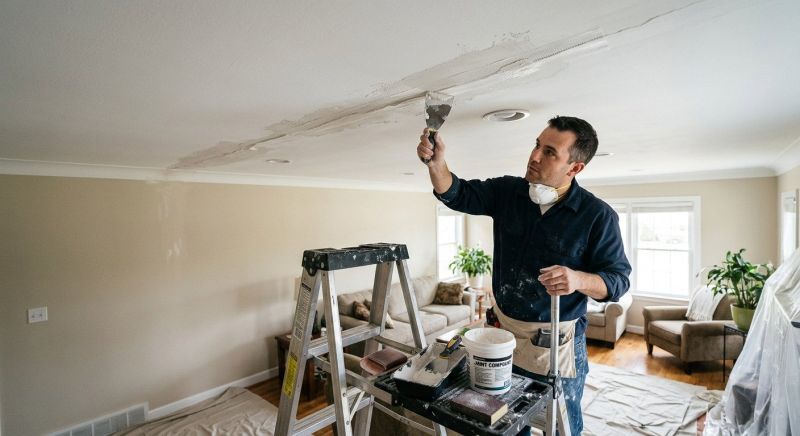
Identifying Ceiling Cracks
Ceiling cracks can indicate underlying structural issues or settling in your home.
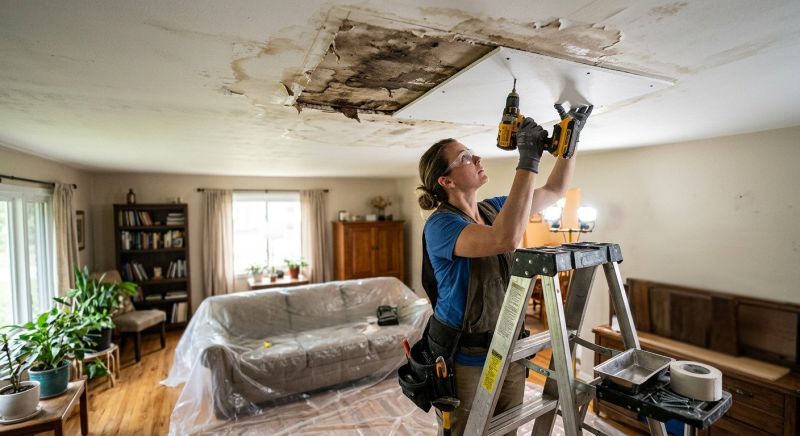
Repair Techniques
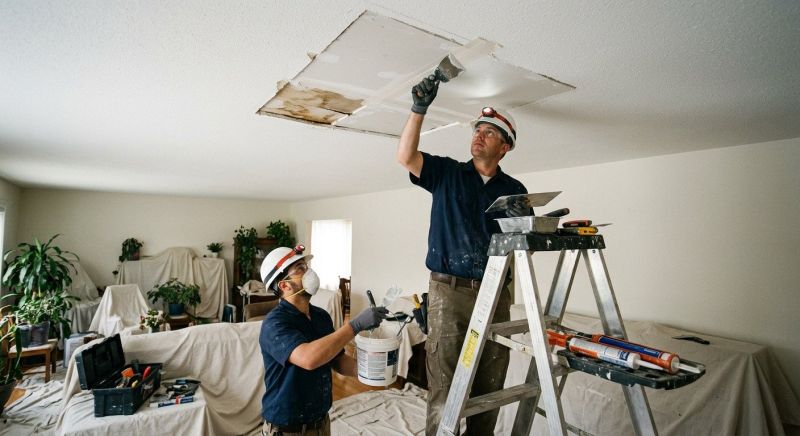
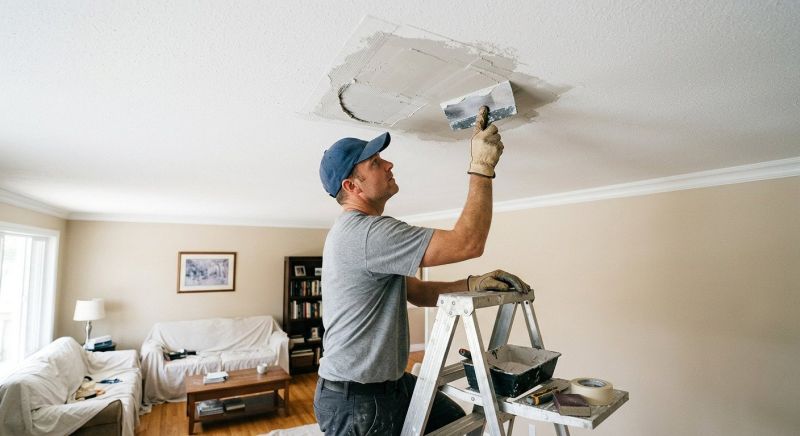
Various methods are used to repair ceiling cracks, including filling, sanding, and repainting for a seamless finish.
Preventative Maintenance
Regular inspections and prompt repairs help maintain ceiling integrity and prevent future damage in alpharetta, ga.
Ceiling Crack Repair in Alpharetta, GA
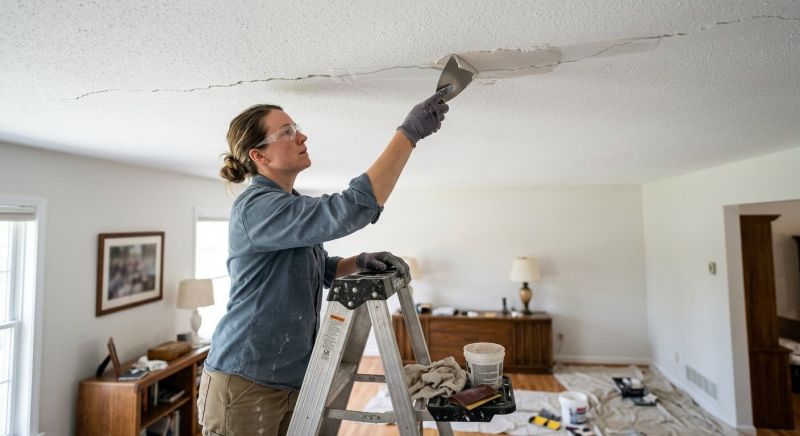
Ceiling crack repair services address common issues such as hairline cracks, larger fissures, or visible damage caused by settling, moisture, or structural shifts. These repairs typically involve assessing the extent of the damage, preparing the area, and carefully patching or sealing cracks to restore the ceiling’s appearance and integrity. Projects can range from small cosmetic fixes to more extensive repairs in areas where cracks may indicate underlying structural concerns, ensuring the ceiling remains safe and visually appealing.
Homeowners considering ceiling crack repair usually want to understand the causes of cracks, the materials and methods used for repair, and whether the damage suggests deeper issues. It’s important to clarify the scope of work, including whether the repair is purely cosmetic or if additional inspections are recommended to address potential underlying problems. Properly repaired ceilings can improve the overall look of a space and help maintain the property’s value.
Many property owners in Alpharetta, GA look into Ceiling Crack Repair for repairs, replacements, upgrades, and appearance-related improvements.
Common Ceiling Crack Repair Jobs
Ceiling crack repair involves sealing and reinforcing cracks to restore ceiling integrity.
Hairline crack repair addresses small, surface-level cracks to prevent further damage.
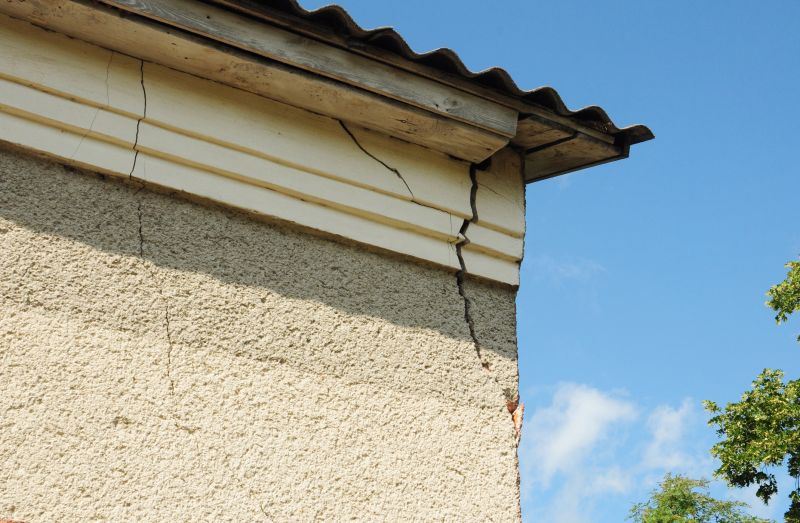
Structural crack repair targets larger or shifting cracks that may indicate underlying issues.
Popcorn ceiling crack repair fixes cracks and restores the original texture for a seamless look.
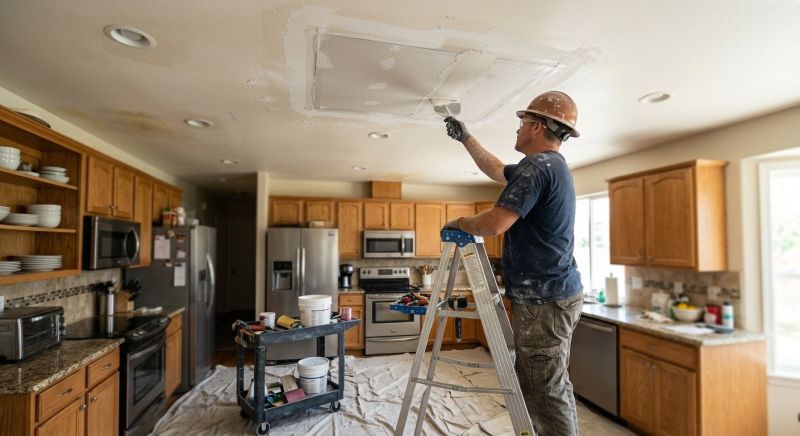
Water-damage crack repair involves fixing cracks caused by leaks and preventing mold growth.
Settlement crack repair stabilizes ceilings affected by ground movement or foundation shifts.
Ceiling Crack Repair Questions
What causes ceiling cracks? Ceiling cracks can result from structural settling, humidity changes, or previous repairs that have shifted over time.
Are ceiling cracks a sign of structural issues? Not always, but larger or growing cracks may indicate underlying structural concerns that need evaluation.
Can all ceiling cracks be repaired? Many cracks can be effectively repaired, but the severity and cause determine the best repair approach.
What types of ceilings are suitable for crack repair? Crack repair is suitable for drywall, plaster, and other common ceiling finishes used in homes and properties.
Request Ceiling Crack Repair in Alpharetta, GA
Use the quote form on this page to share the basics of your project and request more information for the type of work you need.